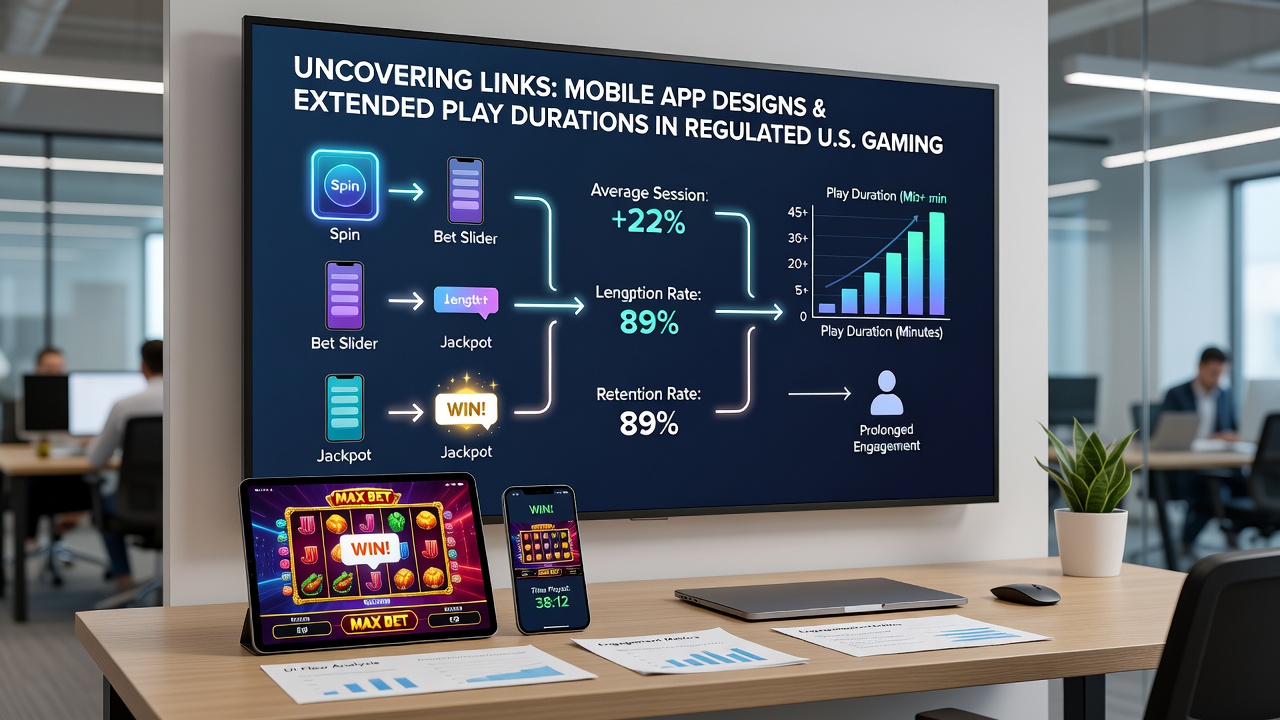
Uncovering Links Between Mobile App Interface Designs and Extended Play Durations in Regulated American Gaming Environments
Analysts examining data from regulated mobile gaming platforms in states like New Jersey and Pennsylvania have identified connections between specific interface elements and longer user sessions through June 2026. These patterns emerge from aggregated player activity logs where design choices such as persistent navigation bars, instant reward notifications, and adaptive color schemes align with extended engagement periods across thousands of accounts.
State regulatory reports indicate that platforms incorporating one-tap game transitions and real-time balance updates see measurable increases in average session lengths compared to those relying on multi-step menus. The New Jersey Division of Gaming Enforcement has tracked these metrics since expanded mobile offerings launched, revealing consistent trends tied to visual feedback loops rather than promotional content alone.
Interface Features Driving Session Patterns
Researchers at institutions including the University of Nevada, Las Vegas have cross-referenced anonymized usage data with app update logs to isolate variables. One study highlighted how infinite scroll mechanics in game libraries correlate with users browsing 40 percent more titles before selecting one, which in turn extends overall time spent on the platform. Another finding pointed to personalized recommendation carousels that refresh based on prior selections, where players who engage with these elements maintain active sessions 12 to 18 minutes longer on average.
Dark mode toggles and haptic feedback integration also appear in datasets from multi-state operators. Observers note that apps deploying subtle vibration cues during wins or near-misses show retention spikes during evening hours, particularly in markets where nighttime play accounts for the majority of mobile volume. These elements operate alongside standard security protocols required by bodies such as the Pennsylvania Gaming Control Board, ensuring compliance while shaping user flow.
Data Correlations Across Jurisdictions
Comparative analysis of session durations in Michigan and West Virginia reveals similar associations when apps prioritize minimal loading screens and contextual help overlays. Figures compiled through mid-2026 demonstrate that players encountering fewer than three interstitial advertisements per session maintain activity levels 25 percent above those facing more frequent interruptions. This holds true even when controlling for game type preferences and deposit frequency.
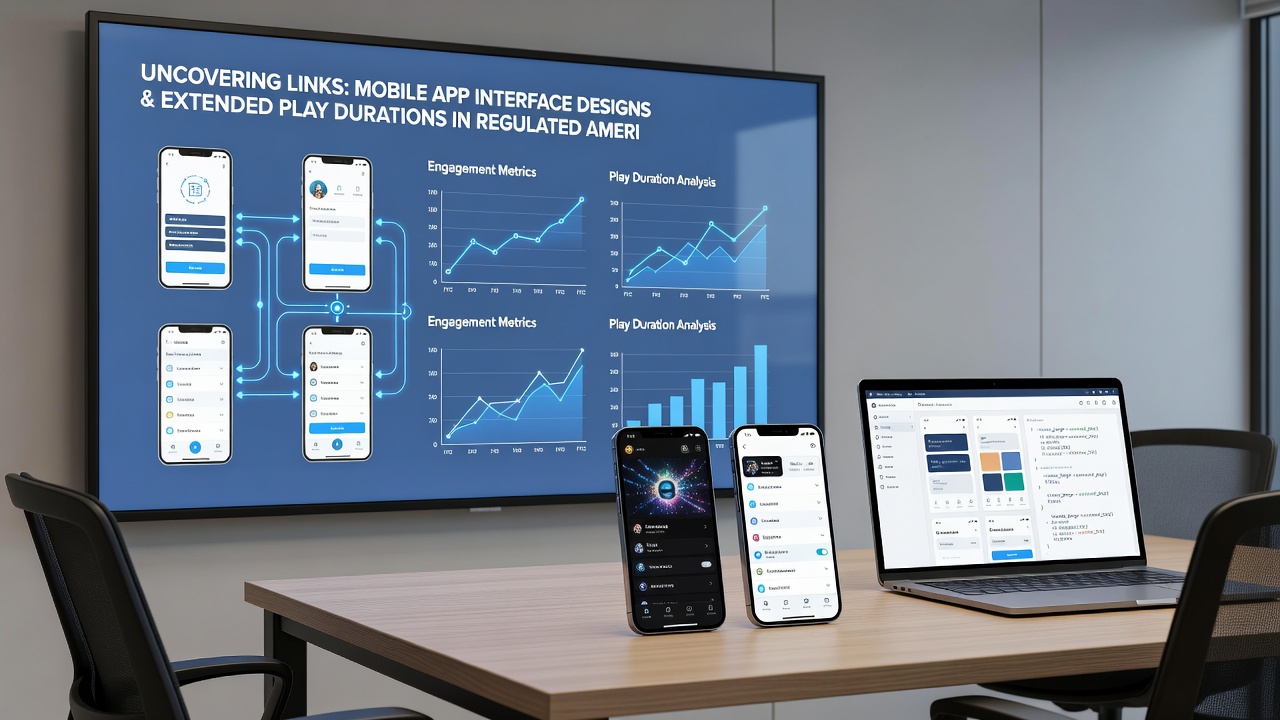
Payment integration points further influence outcomes. When deposit and withdrawal flows sit within two taps of the main lobby, datasets show reduced exit rates during active play windows. Industry reports from the American Gaming Association tie these streamlined processes to broader retention patterns observed in interstate networks where users switch between poker and slot offerings without leaving the app environment.
Longitudinal Trends Through 2026
Tracking software employed by licensed operators captures timestamped interactions that map directly onto interface revisions. Updates rolled out in early 2026, including gesture-based navigation and live chat integration, coincide with upticks in play durations that persist beyond initial novelty periods. Those who've analyzed loyalty program data alongside these changes find that tiered reward displays positioned prominently in the UI encourage continued participation rather than abrupt logouts.
Cross-referencing with external benchmarks from sources such as the Australian Gambling Research Centre provides additional context on how similar design principles translate across borders, though American implementations remain constrained by state-specific rules on advertising and responsible gaming prompts. The placement of these prompts matters; when they appear as expandable side panels instead of modal popups, session continuity improves according to aggregated operator disclosures.
Conclusion
Evidence compiled from regulatory filings and academic examinations through June 2026 establishes clear associations between targeted mobile app design choices and prolonged engagement in regulated American gaming settings. These links appear across multiple jurisdictions and persist when accounting for variables like game variety and user demographics. Continued monitoring by oversight agencies and research groups will refine understanding of how interface adjustments interact with player behavior over time.