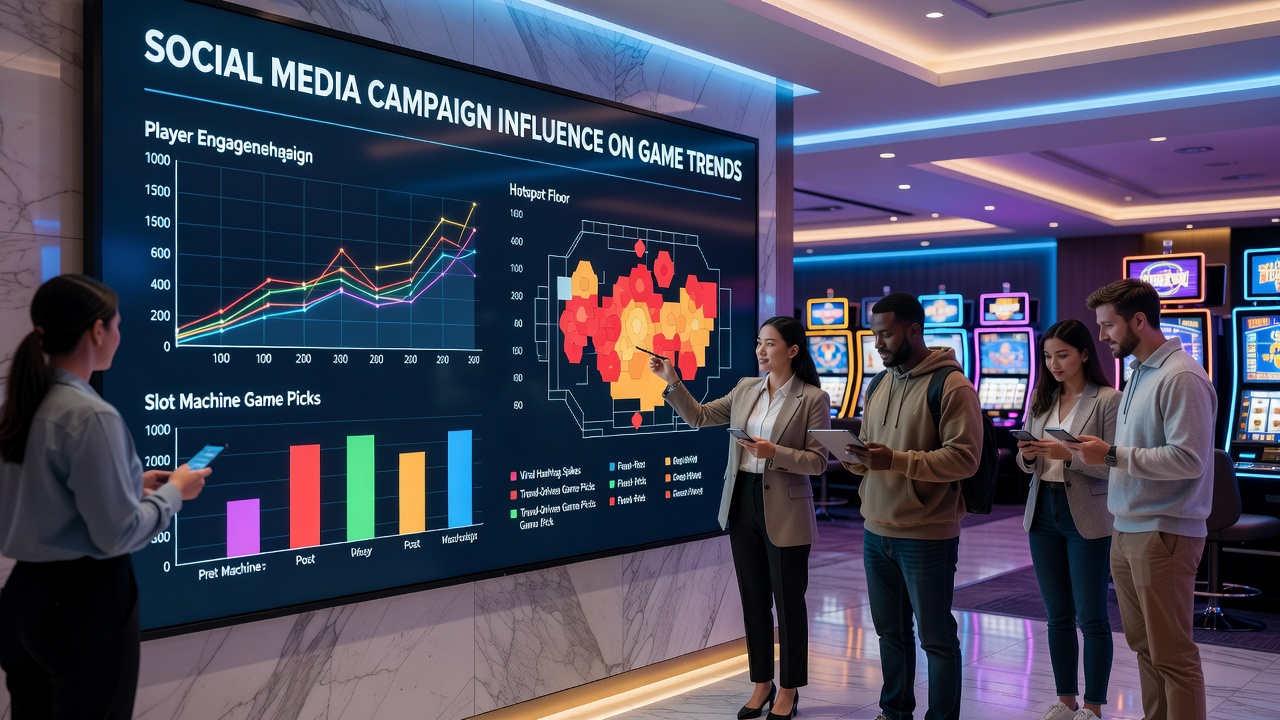
Tracing the Influence of Social Media Campaigns on Game Selection Trends Among Players at Licensed American Casinos
Social media platforms have reshaped how players at licensed American casinos discover and select games, with campaigns on TikTok, Instagram, and X driving measurable shifts in preferences for slots, table games, and video poker across jurisdictions from Nevada to New Jersey. Data collected through player tracking systems at major properties shows that targeted video content often correlates with spikes in specific game play, particularly when influencers highlight bonus features or progressive jackpots.
Campaigns launched in early 2026 frequently focused on short-form videos demonstrating gameplay mechanics, and these efforts aligned with increased selections of certain slot titles at properties in Las Vegas and Atlantic City. Analysts tracking loyalty program data noted that users exposed to such content via algorithm-driven feeds tended to gravitate toward games promoted in those posts, creating observable patterns that operators began monitoring more closely by mid-year.
Platform-Specific Reach and Game Visibility
Instagram Reels and Stories have proven effective at showcasing visual elements like reel animations and bonus rounds, which in turn influence players to seek out matching machines upon arrival at casino floors. Research from the American Gaming Association indicates that operators integrating social content with on-site promotions saw measurable upticks in play for featured titles during the first half of 2026. Meanwhile, TikTok challenges centered on specific roulette or blackjack variants spread rapidly among younger demographics, prompting several tribal resorts in the Midwest to adjust floor layouts to accommodate rising demand for those games.
X threads dissecting payout percentages and volatility metrics have also gained traction, with threads from verified industry accounts directing attention toward particular video poker paytables. Observers note that these discussions often precede measurable increases in session lengths for the highlighted games, especially when the content references current promotions at multi-state operators.
Data Correlations Emerging in 2026
By August 2026, several properties reported that social media-driven game selections accounted for a growing share of daily floor activity, with internal dashboards linking referral codes from influencer partnerships to particular machine banks. Studies examining cross-platform engagement found that players who interacted with casino-affiliated accounts were more likely to try newly released titles compared to those relying solely on traditional floor signage or word-of-mouth recommendations.
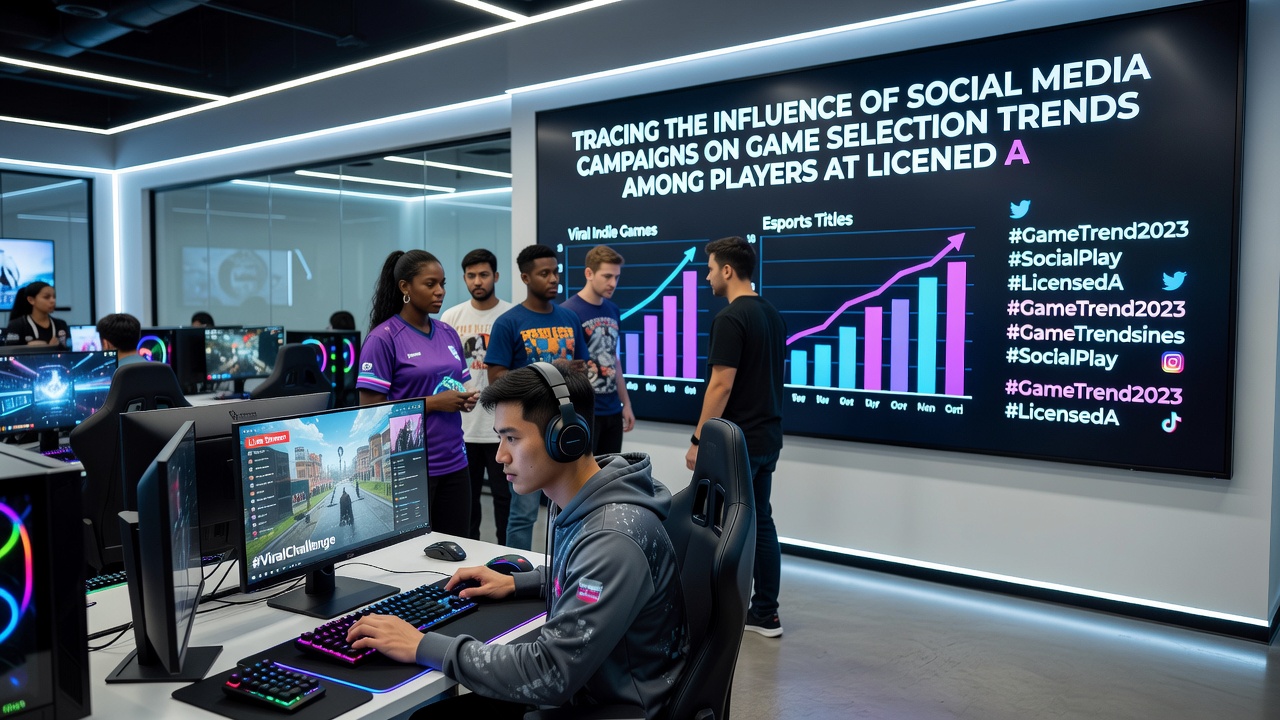
Regional differences appear in the data as well. East Coast markets tied to online extensions of physical casinos recorded stronger correlations between Instagram story polls and subsequent digital table game selections, whereas Western properties observed more pronounced effects from TikTok content driving land-based slot play. These variations reflect both demographic differences and regulatory frameworks governing advertising in each state.
Operator Responses and Measurement Tools
Casino marketing teams have begun incorporating social listening tools to quantify how campaign reach translates into game selection, adjusting content calendars in real time based on engagement metrics. Partnerships with content creators who disclose promotional relationships have expanded, allowing operators to test which formats—live streams, static graphics, or interactive filters—most effectively steer players toward underutilized games on the floor. Figures released through industry reports show that properties investing in these coordinated efforts maintained steadier occupancy rates on promoted games throughout the summer months of 2026.
Academic researchers examining publicly available play data alongside social media archives have identified recurring sequences where viral posts precede localized surges in specific game categories, though causation remains difficult to isolate from concurrent factors such as jackpot resets or seasonal events. Those studying these patterns emphasize the value of combining loyalty card records with platform analytics for clearer insights.
Conclusion
The interplay between social media campaigns and game selection at licensed American casinos continues to evolve as platforms refine their algorithms and operators refine their measurement approaches. Evidence gathered through 2026 demonstrates consistent correlations across multiple states, with particular content formats showing stronger associations to certain game types. As tracking technologies advance, the ability to map these influences with greater precision will likely expand, providing operators and researchers alike with additional layers of detail about how digital campaigns shape physical and online play patterns.