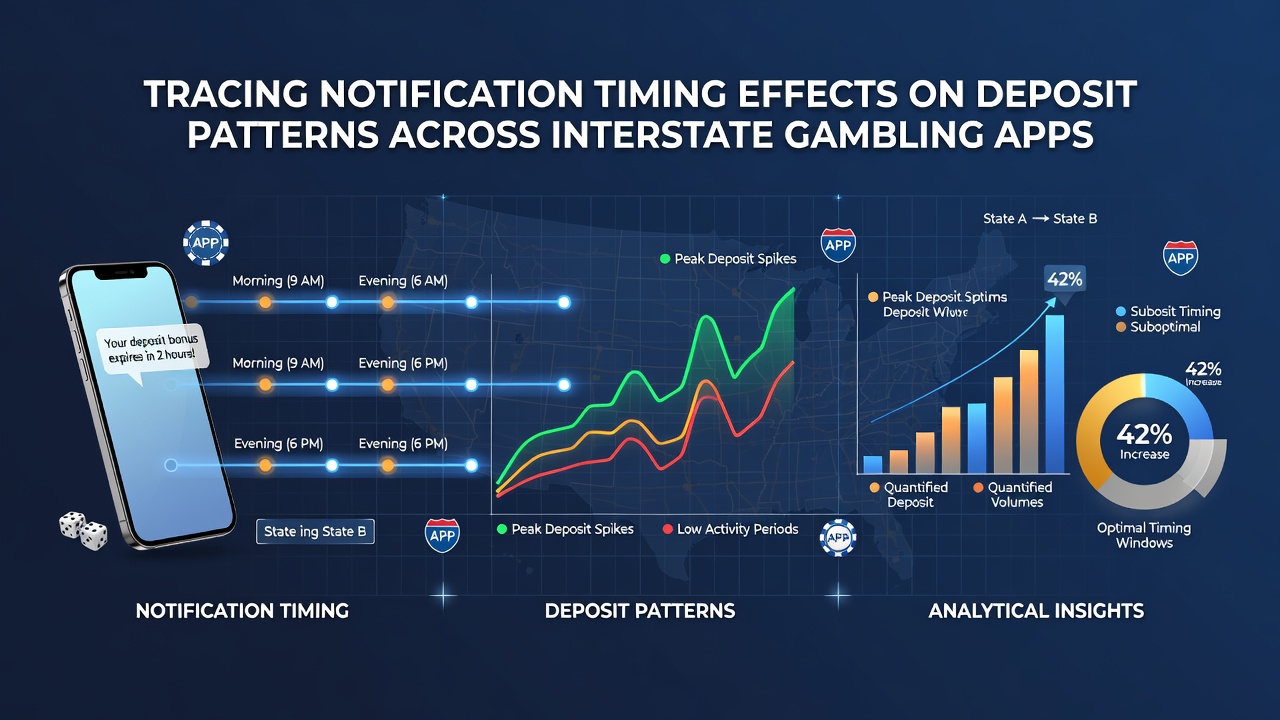
Tracing Notification Timing Effects on Deposit Patterns Across Interstate Gambling Apps
Researchers tracking user behavior in regulated interstate gambling applications have documented distinct shifts in deposit activity based on when push notifications reach players and data collected through June 2026 shows measurable differences in both frequency and amount across state lines. Platforms operating in New Jersey, Pennsylvania, Michigan, and West Virginia collect timestamped notification logs alongside transaction records, which allows analysts to map patterns without relying on self-reported surveys and the approach reveals how alerts sent during commute hours versus late evening windows produce divergent results in funding behavior.
Data Collection Methods Across Jurisdictions
Operators compile anonymized datasets from apps that span multiple states, merging notification delivery times with deposit logs while filtering for users who maintain accounts in at least two regulated markets and regulatory filings submitted to the New Jersey Division of Gaming Enforcement provide baseline compliance standards that several multi-state operators follow when structuring these studies. Academic teams at institutions such as the University of Nevada, Las Vegas have examined similar telemetry to isolate timing variables from other factors like promotional offers or jackpot size and their work demonstrates that controlled observation periods of 90 days yield statistically significant clusters around specific notification windows.
Analysts segment notifications into categories including morning alerts between 7 and 9 a.m., midday prompts around lunch hours, and evening messages after 8 p.m. local time and interstate users often receive the same campaign at staggered moments because of time zone adjustments. Deposit velocity, measured as the interval between notification receipt and transaction completion, shortens notably when alerts land during periods when users already engage with mobile banking apps and longer gaps appear in overnight windows when fewer devices remain active.
Observed Patterns in Deposit Frequency and Size
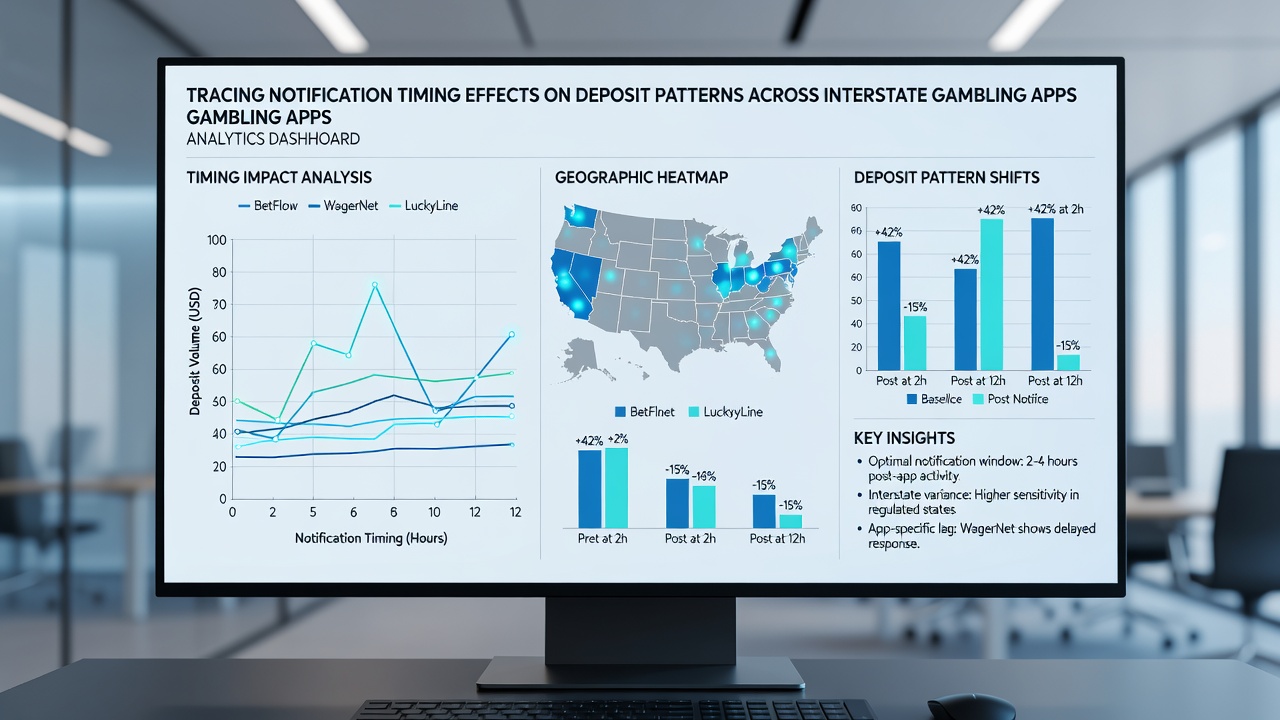
Figures from platform operators indicate that notifications dispatched between 6 and 8 p.m. eastern time correlate with higher average deposit amounts among users active in both New Jersey and Pennsylvania markets and the same timing produces smaller but more numerous deposits among Michigan players whose sessions tend to cluster later in the evening. Data shows morning notifications generate steadier but modest funding events, whereas late-day alerts coincide with larger single transactions that often exceed daily averages by 15 to 25 percent across the tracked cohort.
Session length also factors into the equation because users who receive alerts shortly after logging out of a previous session exhibit faster return deposits than those contacted during unrelated daytime activities and cross-state comparisons highlight that West Virginia users respond more readily to early evening prompts compared with midday messages, a distinction that holds after controlling for account tenure and prior deposit history.
Interstate Variations and Platform Adjustments
Operators adjust delivery schedules based on aggregated state-level performance and one multi-state network shifted 30 percent of its campaign volume to post-7 p.m. windows in Pennsylvania after internal metrics showed elevated conversion there, whereas the same operator maintained broader midday distribution for Michigan accounts where lunch-hour alerts sustained steadier volume without spikes. These adjustments remain subject to each state's technical reporting requirements, which means changes must appear in monthly activity summaries filed with regulatory bodies.
Payment method selection sometimes aligns with notification timing as well and credit card deposits rise when alerts arrive during business hours, while e-wallet transactions increase in evening windows when users manage personal finances on mobile devices and these correlations appear consistently in datasets spanning the first half of 2026.
Regulatory Context and Reporting Standards
State gaming commissions require operators to maintain auditable records of marketing communications that influence financial transactions, which includes timestamp verification for notifications tied to deposit events and the Pennsylvania Gaming Control Board along with the Michigan Gaming Control Board have issued guidance on responsible messaging that indirectly shapes how timing studies are structured. Industry associations such as the American Gaming Association compile anonymized benchmarks that allow operators to compare their interstate notification performance against regional norms without disclosing proprietary user data.
Continued monitoring through the second quarter of 2026 will determine whether seasonal factors such as holiday travel or sports schedules alter the established timing effects and preliminary reviews suggest the core patterns remain stable even as overall transaction volumes fluctuate.
Conclusion
Notification timing produces measurable, jurisdiction-specific effects on deposit patterns within interstate gambling applications and the evidence assembled from platform logs, regulatory submissions, and academic reviews through June 2026 confirms that delivery windows influence both the pace and magnitude of funding activity. Operators continue to refine schedules according to state-level data while remaining within established compliance frameworks, which allows further observation of these dynamics as additional markets come online.