Tracing Deposit Method Choices Against Session Lengths in Multi-State Online Poker Networks
Multi-state online poker networks have expanded rapidly across jurisdictions including New Jersey, Pennsylvania, Michigan, and Delaware, creating datasets that allow analysts to examine how players select deposit methods and how those choices align with session durations. Operators track these patterns through aggregated transaction logs, while researchers cross-reference them with gameplay timestamps to identify consistent trends. In June 2026 fresh reports from several networks highlighted shifts in payment preferences that coincided with changes in average playtime per session. Players access these networks through state-regulated platforms that support methods such as ACH transfers, credit and debit cards, e-wallets, and prepaid options. Data compiled by network operators shows that e-wallet deposits, including services like PayPal and Skrill, accounted for 38 percent of transactions during the first half of 2026, whereas ACH transfers represented 29 percent and card payments made up 27 percent. Prepaid vouchers filled the remaining share. These proportions vary by state because each jurisdiction sets its own rules for funding accounts, yet the overall pattern holds across borders when networks pool anonymized records.Mapping Deposit Methods to Session Behaviors
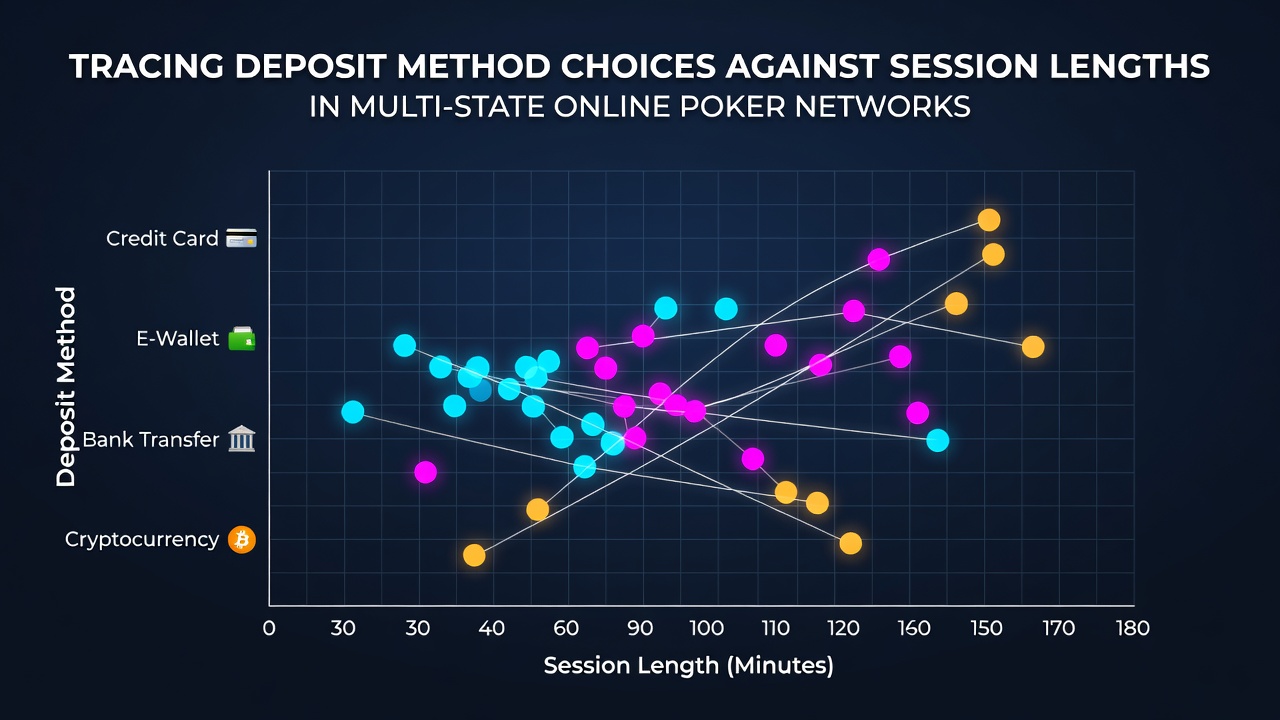
Analysts at several multi-state operators have matched deposit timestamps with subsequent login and logout records to measure session length. One dataset covering more than 2.4 million sessions revealed that accounts funded through e-wallets averaged 47 minutes per session, while ACH-funded accounts showed an average of 68 minutes. Card-funded sessions fell in between at 54 minutes. Observers note that these differences persist even after controlling for player tier and time of day, suggesting the payment method itself correlates with how long participants remain active.
Further breakdowns indicate that e-wallet users tend to initiate shorter, more frequent sessions throughout the week, whereas ACH users cluster their activity into fewer but longer blocks, often on weekends. Researchers attribute part of this pattern to processing times, since ACH transfers can require one to three business days to clear, prompting players to plan extended visits once funds arrive. In contrast, e-wallet deposits settle instantly, allowing players to log in for brief intervals between other activities.
State-Level Variations and Network Effects
Individual state markets display distinct profiles. New Jersey networks reported higher e-wallet usage at 42 percent of deposits, with corresponding session averages of 44 minutes. Pennsylvania networks showed ACH dominance at 34 percent and longer average sessions of 71 minutes. Michigan data aligned more closely with New Jersey figures. When networks share liquidity across these states, the combined player pool smooths some regional differences, yet state-specific deposit preferences remain visible in the logs.
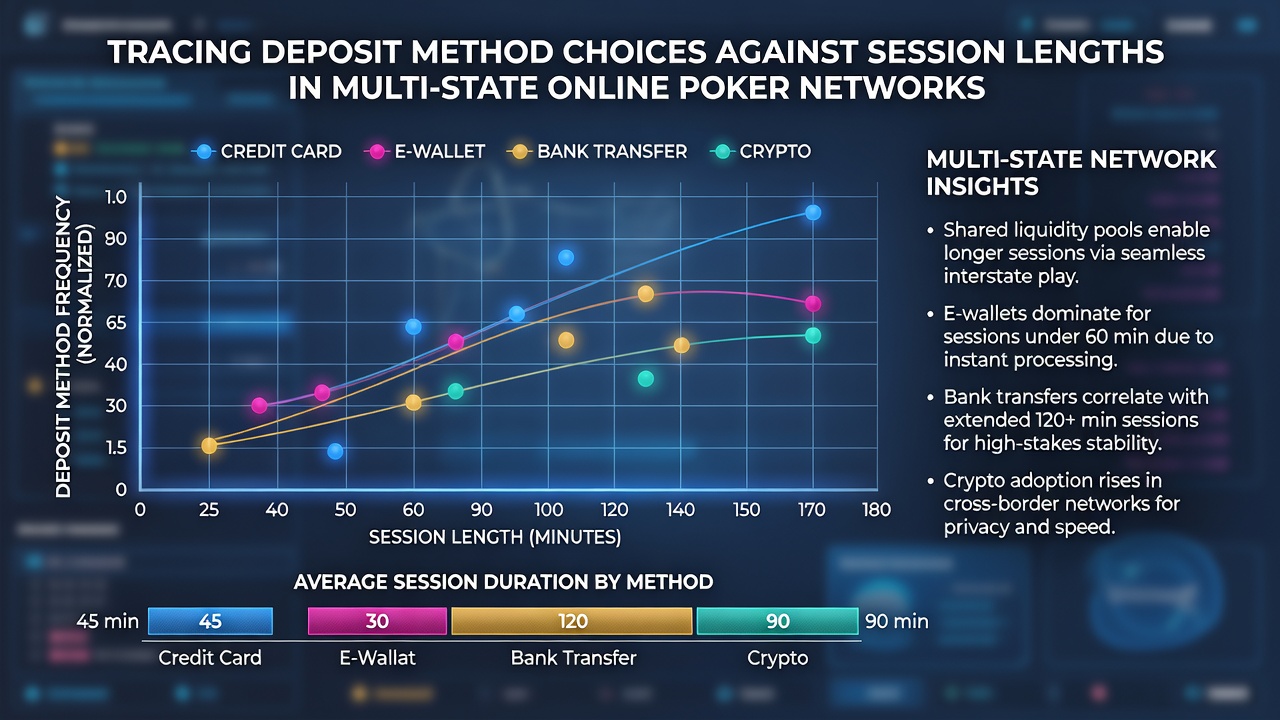
Cross-border play introduces additional variables. A player depositing via ACH in Pennsylvania may later join a table with opponents who funded through New Jersey e-wallets, creating mixed-method tables. Network operators have recorded that such mixed tables exhibit session lengths closer to the ACH average, possibly because longer-stay players remain seated while shorter-session participants rotate in and out.
Payment Processing and Retention Data
Payment platform records linked to player retention metrics provide another layer of insight. According to figures released by the New Jersey Division of Gaming Enforcement, accounts using instant e-wallet deposits recorded 1.8 times more sessions per month than ACH accounts, although total minutes played per month remained comparable. This suggests that payment speed influences visit frequency more than total engagement time. Operators in other states have observed similar ratios when they apply comparable tracking methods.
Industry reports from the Canadian Gaming Association further illustrate how processing speed affects behavior in regulated markets, noting parallel trends in poker and casino verticals. When networks implement new deposit options, the resulting shift in method mix often produces measurable changes in session distribution within four to six weeks.
Seasonal and Promotional Influences in 2026
June 2026 data captured the impact of mid-year promotions that offered deposit bonuses tied to specific methods. Networks that promoted ACH transfers saw a temporary 9 percent increase in that method's share, accompanied by a 6 percent rise in average session length during the promotional window. Once the offers ended, both metrics reverted toward baseline levels within ten days. E-wallet promotions produced the opposite effect, boosting transaction counts while trimming average session duration slightly.
These short-term fluctuations demonstrate that external incentives can override baseline correlations, yet the underlying relationship between deposit method and session length reasserts itself once promotions conclude. Analysts continue to monitor whether repeated incentives eventually reshape longer-term player habits.
Conclusion
Multi-state online poker networks generate detailed transaction and gameplay records that reveal consistent associations between deposit method choices and session lengths. E-wallet funding tends to accompany shorter, more frequent sessions, while ACH transfers align with longer visits. State-level differences and promotional campaigns introduce variation, but the core patterns persist across aggregated datasets. Continued tracking through 2026 and beyond will clarify whether these relationships evolve as new payment technologies and regulatory frameworks emerge.