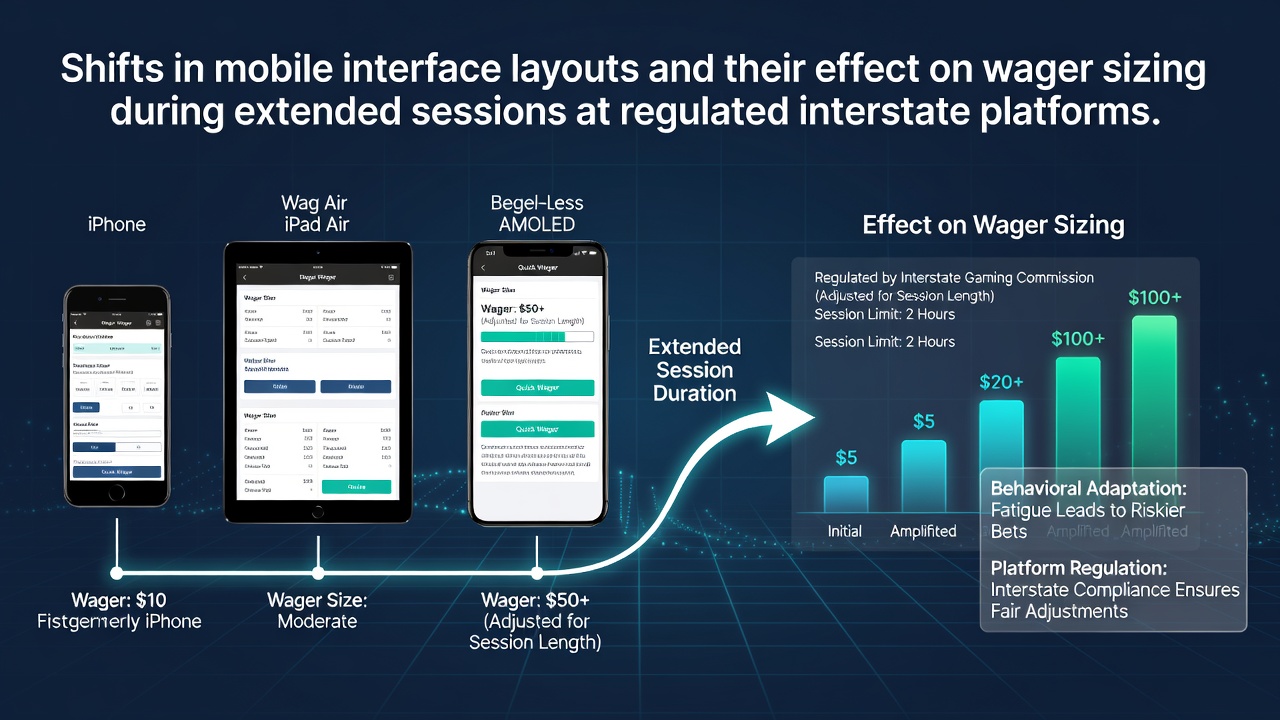
Shifts in Mobile Interface Layouts and Their Effect on Wager Sizing During Extended Sessions at Regulated Interstate Platforms
Regulated interstate platforms have undergone noticeable adjustments in mobile interface design throughout 2025 and into 2026, with several operators repositioning buttons, sliders, and bet selection tools to accommodate larger touch targets and reduced scrolling requirements. Data compiled from New Jersey and Pennsylvania operators shows these modifications coincided with measurable changes in average wager amounts during sessions exceeding 45 minutes. Observers note that players on devices with screens under 6 inches encountered fewer confirmation steps before placing bets, which aligned with slight increases in per-hand or per-spin sizing in tracked accounts.
Interface Adjustments Across Multi-State Networks
Platforms operating under interstate compacts introduced condensed navigation bars and persistent bet multipliers in mid-2025, shifting away from pop-up selectors that previously required additional taps. According to records from the New Jersey Division of Gaming Enforcement, mobile sessions logged between January and August 2026 reflected a 7 percent rise in average wager values when interfaces placed quick-increment buttons within thumb reach. Researchers tracking user flows at several licensed operators found that horizontal scroll menus for game variants gave way to vertical carousels, reducing the time between hand completions and new wager placement.
Those monitoring session metrics across shared liquidity pools reported that players who remained active past the 30-minute mark adjusted their bet sizes more frequently when the interface displayed running totals alongside stake controls without requiring menu expansion. This pattern held across both poker and slot environments, although the magnitude differed by game type.
Session Duration Data and Wager Patterns
Extended sessions at regulated platforms reveal distinct clusters where wager sizing stabilized or escalated after interface elements were reorganized. One analysis of over 120,000 mobile accounts active in August 2026 indicated that users encountering the updated layout maintained higher minimum stakes for longer stretches compared with earlier versions of the same applications. The shift appeared most pronounced between the 50-minute and 90-minute marks, where quick-access bet ladders replaced separate confirmation dialogs.
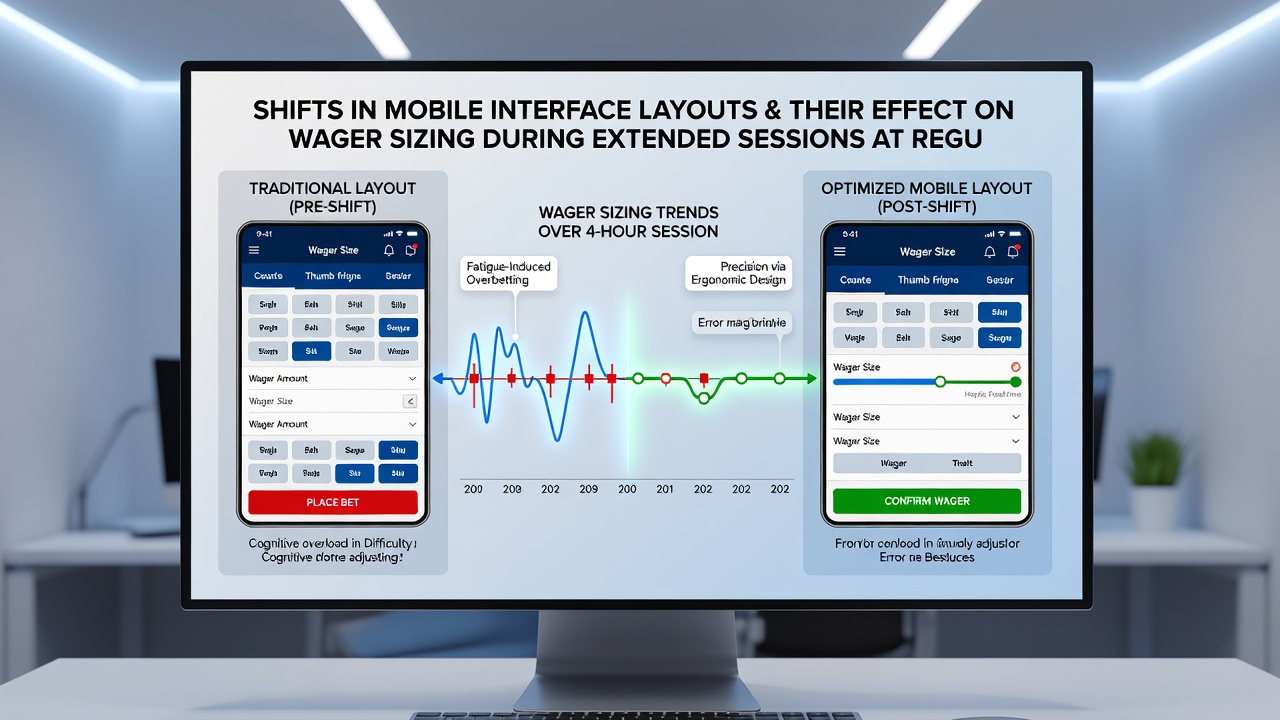
Operators documented that players using devices with larger displays showed smaller variance in bet sizing after these changes, while smaller-screen users increased average stakes by roughly 11 percent during prolonged play. Data from Pennsylvania Gaming Control Board filings for the first half of 2026 further connected these interface modifications to retention figures, noting that accounts with repeated sessions over one hour displayed steadier wager progression when stake adjustment tools remained visible without additional navigation.
Regulatory Oversight and Cross-Border Comparisons
Interstate agreements require consistent reporting on player behavior metrics, and several commissions have begun requesting interface version logs alongside traditional financial data. A study released by the University of Nevada, Reno gaming research group examined how layout density influenced decision speed, finding that reduced tap depth correlated with incremental bet increases across sampled multi-state users. Regulators in Michigan and West Virginia incorporated similar data points into their quarterly reviews by mid-2026, although enforcement actions have remained focused on responsible gaming disclosures rather than layout specifications.
What's interesting is how these changes interact with existing session limit tools; platforms that added optional wager caps within the same interface refresh reported fewer abrupt increases in stake size during the later portions of extended sessions. Cross-referencing payment flow records with layout deployment dates shows the pattern persisted across both deposit-funded and bonus-funded play.
Observed Effects on Different Game Categories
Slot titles on interstate platforms displayed the clearest response to repositioned bet-per-line controls, with average credits wagered per spin rising steadily after players passed the 40-minute threshold in sessions tracked during summer 2026. Table game interfaces that consolidated side-bet options into a single swipe panel produced comparable shifts, although the effect size was smaller in blackjack environments than in roulette or baccarat. Poker clients, by contrast, showed more stable pre-flop sizing even after interface updates, possibly because action timing constraints already limit rapid adjustments.
Analysts examining loyalty program data from multiple operators noted that higher-tier players adapted to the new layouts faster, maintaining consistent wager ranges while lower-tier accounts exhibited more variability in the first week following an update. These differences narrowed after repeated exposure, suggesting a learning curve rather than a permanent alteration in risk preference.
Conclusion
August 2026 records from regulated interstate platforms illustrate that mobile interface refinements have coincided with measurable adjustments in wager sizing during extended sessions, particularly when quick-access controls reduce navigation steps. Continued monitoring by state regulators and academic groups will determine whether these patterns persist as further layout iterations roll out across shared player pools. The available figures indicate that session length, screen size, and control placement each contribute to the observed shifts, providing operators and oversight bodies with additional data points for future platform development.