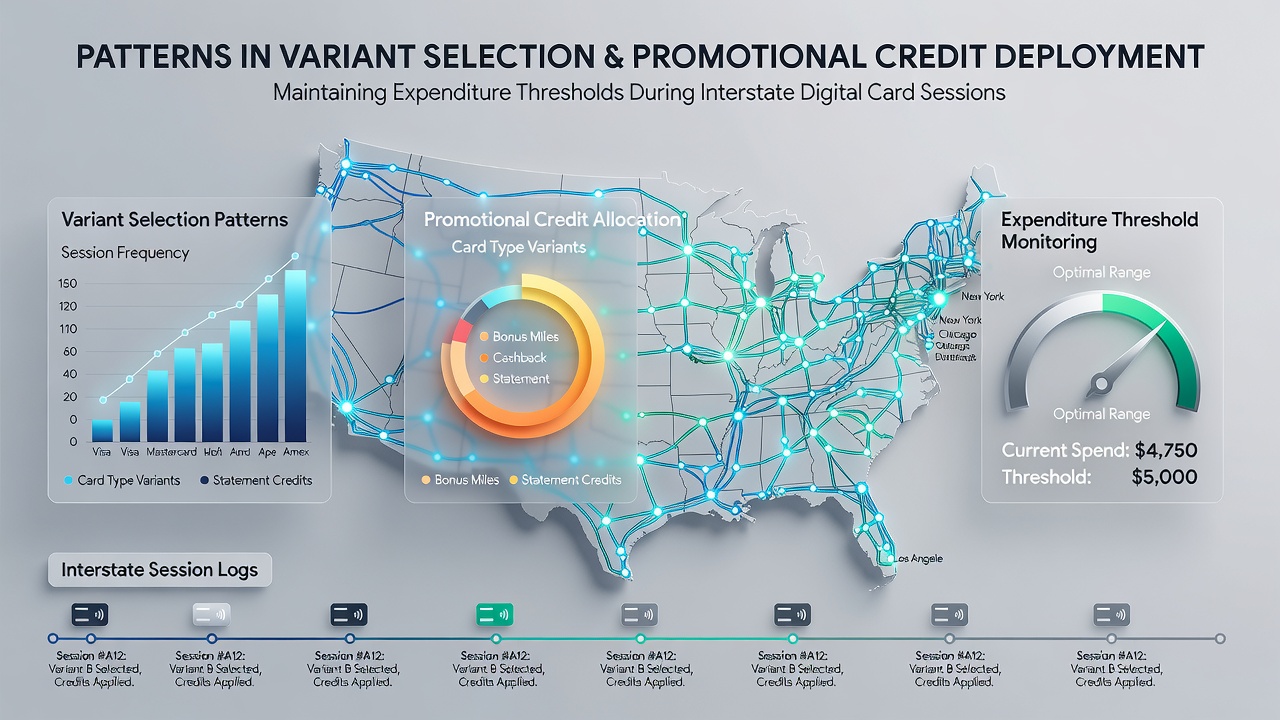
Patterns in Variant Selection and Promotional Credit Deployment for Maintaining Expenditure Thresholds During Interstate Digital Card Sessions
Interstate digital card sessions have expanded significantly since multiple states formalized compacts allowing shared player pools for online poker and table games, and analysts track how participants select game variants while deploying promotional credits to sustain required expenditure levels. Data from regulated platforms indicate that players often gravitate toward specific variants such as No-Limit Texas Hold'em or Pot-Limit Omaha when thresholds tied to bonus releases or tier maintenance come into play, particularly in networks spanning New Jersey, Pennsylvania, and Michigan.
Research from the Nevada Gaming Control Board shows that promotional credit usage spikes during sessions lasting between 45 and 90 minutes, with participants applying credits strategically to variants that offer faster hand rates or lower rake structures to preserve bankrolls above minimum play requirements. Those who study these patterns note that players frequently alternate between cash game formats and tournament variants depending on remaining credit balances and proximity to expenditure deadlines.
Variant Selection Trends Across Networks
Observers have documented consistent preferences for mid-stakes variants when promotional credits activate, since these options balance risk exposure against the need to meet volume targets without rapid depletion. Figures from multi-state operators reveal that Hold'em variants account for approximately 62 percent of sessions where credits maintain thresholds, while Omaha and mixed-game formats see increased selection in the final stages of promotional periods. This shift occurs because players adjust toward games with higher average pot sizes to accelerate credit turnover and satisfy playthrough conditions.
Studies conducted by university researchers in collaboration with state regulators highlight how session timing influences choices, with early-session players favoring standard variants and later adjustments occurring as thresholds approach. In June 2026, aggregated reports from participating jurisdictions indicated a 14 percent rise in variant switches during peak evening hours compared with earlier months, reflecting adaptive strategies to expenditure rules.
Promotional Credit Deployment Mechanics
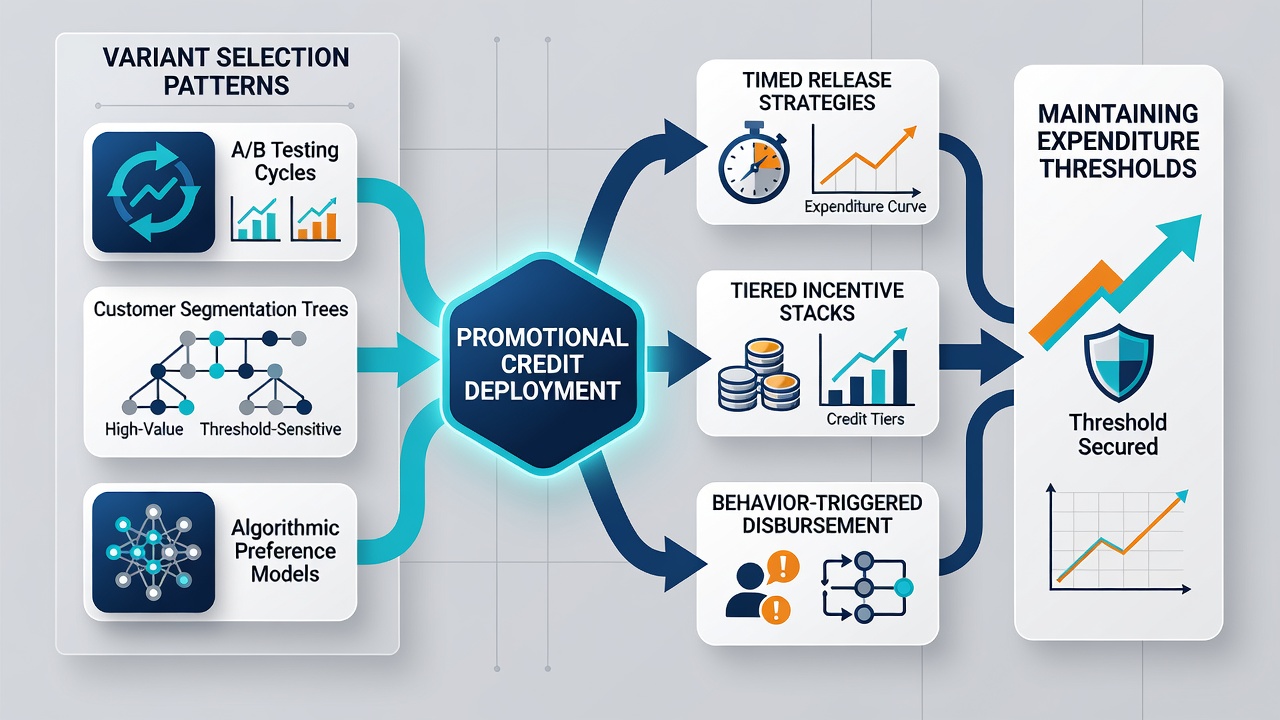
Operators structure promotional credits with specific activation windows and playthrough multipliers that encourage particular deployment patterns, and data indicates users often reserve larger credit allocations for variants with favorable return-to-player percentages. Those monitoring interstate sessions report that credits deployed in smaller increments across multiple hands help sustain longer play durations, thereby meeting thresholds more reliably than single large bets.
Payment flow analysis ties credit usage directly to deposit method selections, where e-wallet transactions correlate with higher credit activation rates in digital card environments. Participants frequently combine credits with ongoing deposits to avoid dropping below required expenditure levels, creating measurable patterns tracked through platform analytics.
Regional Data and Threshold Maintenance
According to reports from the New Jersey Division of Gaming Enforcement, interstate sessions in the first half of 2026 demonstrated clear correlations between credit deployment timing and threshold adherence, with players in shared liquidity pools showing similar behaviors across state lines. Michigan and Pennsylvania data align with these findings, revealing that promotional periods ending mid-month trigger concentrated variant selections aimed at rapid expenditure fulfillment.
Industry associations such as the American Gaming Association have compiled retention metrics showing that players who maintain consistent variant rotations while using credits experience fewer session interruptions due to threshold shortfalls. These patterns hold across different bankroll sizes, although higher-tier accounts display more sophisticated credit spreading techniques.
Session Duration Correlations
Longer sessions exceeding two hours exhibit distinct credit deployment sequences, where initial credits fund standard variants before shifting to accelerated formats near threshold deadlines. Research indicates that players incorporate brief pauses between hands to recalculate remaining requirements, resulting in measurable adjustments visible in platform logs. Such behaviors contribute to the overall stability of expenditure tracking systems used by multi-state operators.
Cross-referenced datasets from 2025 and early 2026 confirm that variant selection becomes more conservative when credit balances near exhaustion, with participants defaulting to familiar formats that minimize variance while still progressing toward targets.
Conclusion
Patterns in variant selection and promotional credit deployment continue to evolve alongside interstate digital card regulations, with data from June 2026 underscoring the role of structured play in threshold maintenance. Regulatory bodies and platform operators track these behaviors through detailed analytics that inform both compliance measures and network design. Continued examination of these interactions provides insight into how participants navigate expenditure requirements across shared state systems.