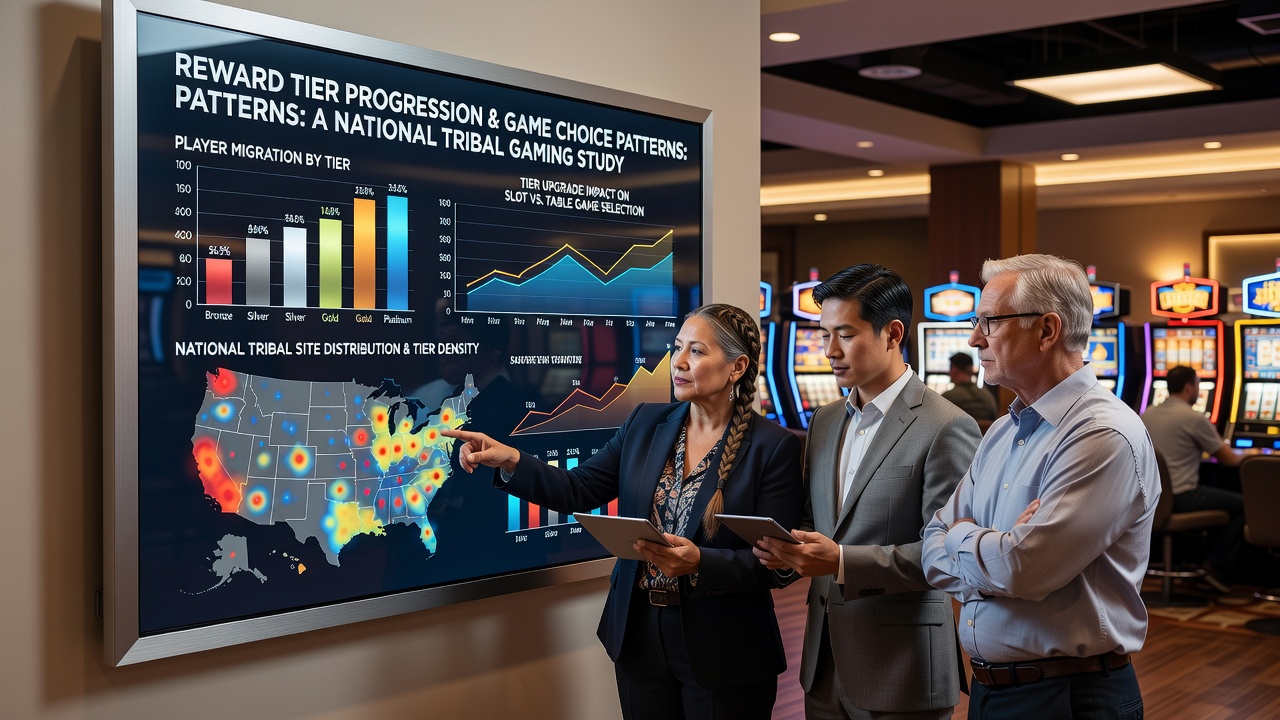
Examining Reward Tier Progression and Its Impact on Game Selection at Regulated Tribal Gaming Facilities
Data from regulated tribal gaming sites across multiple states shows that reward tier progression directly shapes the games players select as they advance through loyalty program levels, with patterns emerging in how point accumulation rates and comp structures guide choices between slot machines, table games, and other offerings. Observers note that lower-tier participants often gravitate toward high-frequency slot play to build status points quickly, while those reaching mid and upper tiers demonstrate measurable shifts toward table games that align with adjusted reward multipliers and personalized offers.
National Indian Gaming Commission records indicate tribal facilities operate loyalty systems with four to six distinct tiers in most jurisdictions, each tied to annual coin-in requirements that reset or carry over depending on the operator's policy. Players who achieve silver or gold status receive enhanced point earning rates on specific game categories, which in turn influences session planning and game selection during subsequent visits. Research from tribal gaming associations reveals these mechanics create feedback loops where early progression reinforces slot-heavy patterns, yet sustained advancement correlates with increased table game engagement in facilities located in Oklahoma, California, and Wisconsin.
Tier Mechanics and Point Structures at Tribal Sites
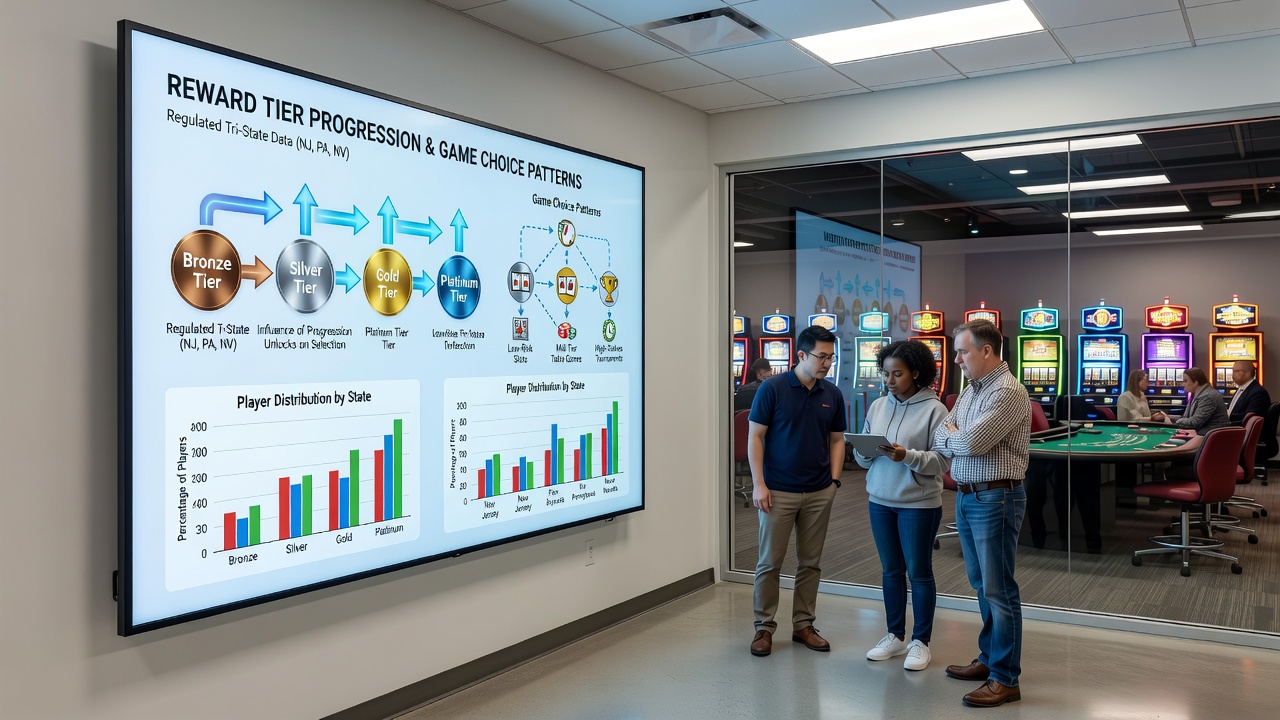
Most tribal loyalty programs calculate tier status based on tracked play across slots, video poker, and table games, though the weighting differs by property and state compact terms. A player starting at the entry level might earn one point per dollar wagered on slots but only 0.5 points on blackjack, prompting initial focus on electronic games to climb faster. Once silver tier unlocks, many programs double or triple slot point accrual while introducing table game bonuses such as reduced house edges on comp redemptions or free play credits that favor live dealer formats. Data compiled through August 2026 demonstrates that facilities in the Midwest and Southwest report a 12 to 18 percent increase in table game drop among players who crossed into gold tier during the prior 12 months.
Regional Variations in Player Behavior
Facilities operated by tribes in California show stronger movement toward video poker variants once platinum status is reached, partly because these games often carry higher point multipliers at that level. In contrast, Oklahoma tribal resorts document elevated roulette and craps participation among mid-tier players who receive complimentary room offers tied to table game thresholds. Analysts tracking loyalty data across these regions find that progression timelines average nine to fourteen months from entry to gold status, with game choice pivots occurring most sharply between the third and fifth months of active membership. External factors such as seasonal promotions and new game introductions further modulate these patterns without overriding the underlying tier incentives.
Data Patterns Across Multiple Jurisdictions
Cross-referenced player tracking files from tribal casinos in Washington, Minnesota, and New York reveal consistent trends: bronze-tier participants allocate roughly 75 percent of playtime to slots, a figure that declines to approximately 55 percent by the time gold status activates. Higher tiers correlate with greater use of table game-specific rewards such as match-play coupons and tournament entries, which encourage diversification. Reports issued by the Indian Gaming Association highlight that these shifts occur alongside changes in average bet size and session length, though causation remains tied to the structure of each program's tier benefits rather than external demographics alone.
August 2026 figures from several large tribal operators show accelerated progression rates following the introduction of tier-specific mobile apps that display real-time point earnings by game type. Players who monitor these dashboards adjust selections within single visits, moving from penny slots to higher-denomination video slots or from blackjack to baccarat when multipliers favor the latter. Such adjustments produce measurable impacts on floor layout planning, as operators reallocate space based on tier-driven demand forecasts.
Comp Structures and Their Influence on Choices
Comp redemption rules at the upper tiers frequently include free play credits restricted to table games or reduced minimum bets on certain tables, steering platinum and diamond members away from slots they favored earlier. Facilities in Arizona and New Mexico have documented corresponding increases in table game occupancy during peak hours once a critical mass of players reaches these levels. The mechanics create a self-reinforcing cycle where continued play at the preferred game type accelerates further tier advancement, locking in preferences over multi-year membership periods.
Studies conducted by university-affiliated gaming research centers confirm that reward visibility through digital statements and kiosk interfaces amplifies these effects, as players actively compare point rates across game categories before selecting machines or tables. Nationwide data sets indicate the strongest correlation between tier elevation and game diversification appears in markets with dense tribal competition, where players can compare programs across nearby properties and migrate accordingly.
Conclusion
Patterns observed at regulated tribal gaming sites demonstrate that reward tier progression functions as a primary driver of game choice evolution, with point structures, comp availability, and status thresholds collectively guiding players from initial slot-dominant behavior toward broader participation in table games and variants as status increases. Regional differences emerge based on compact terms and property-specific multipliers, yet the underlying mechanism remains consistent across states. Continued monitoring of loyalty data through late 2026 will clarify whether recent app enhancements and tier adjustments sustain or alter these established trajectories.