
Decoding Bonus Structures and Game Variant Choices in Extended Interstate Poker Sessions
Regulated interstate poker networks connect player pools across multiple states through shared liquidity agreements that began expanding after 2018, and bonus structures within these systems tie directly to metrics such as hands played, rake generated, and time spent at tables. Data from July 2026 shows that operators adjust bonus clearing requirements to match the pace of different game variants, with cash game bonuses often calibrated around average hand duration in Texas Hold'em versus the slower decision trees common in pot-limit Omaha or mixed-game rotations.
Network Architecture and Bonus Mechanics
Interstate agreements allow players in New Jersey, Pennsylvania, Michigan, and West Virginia to share tables under a single liquidity pool managed by platforms like WSOP.com and PokerStars, while bonus programs distribute rewards based on tracked activity across state lines. These programs typically include deposit matches that unlock through incremental play thresholds, rakeback percentages scaled to monthly volume, and targeted reloads that activate after a set number of hands, and observers note that the structure favors variants where players can sustain higher hand counts without exceeding mental fatigue limits during sessions that stretch beyond four hours.
Variant-Specific Clearing Patterns
Texas Hold'em cash games produce faster hand rates on average, which aligns with bonuses that require 500 or more hands for full clearance, whereas pot-limit Omaha sessions tend to feature larger pots and longer decision windows that stretch the same bonus timeline but increase per-hand rake contributions. Studies compiled by the American Gaming Association indicate that players on multi-state networks shift toward Hold'em during bonus-heavy periods to meet volume targets more efficiently, while those seeking variance spikes opt for Omaha when reload bonuses reward total rake rather than hand count alone.
Session Duration and Alignment Effects
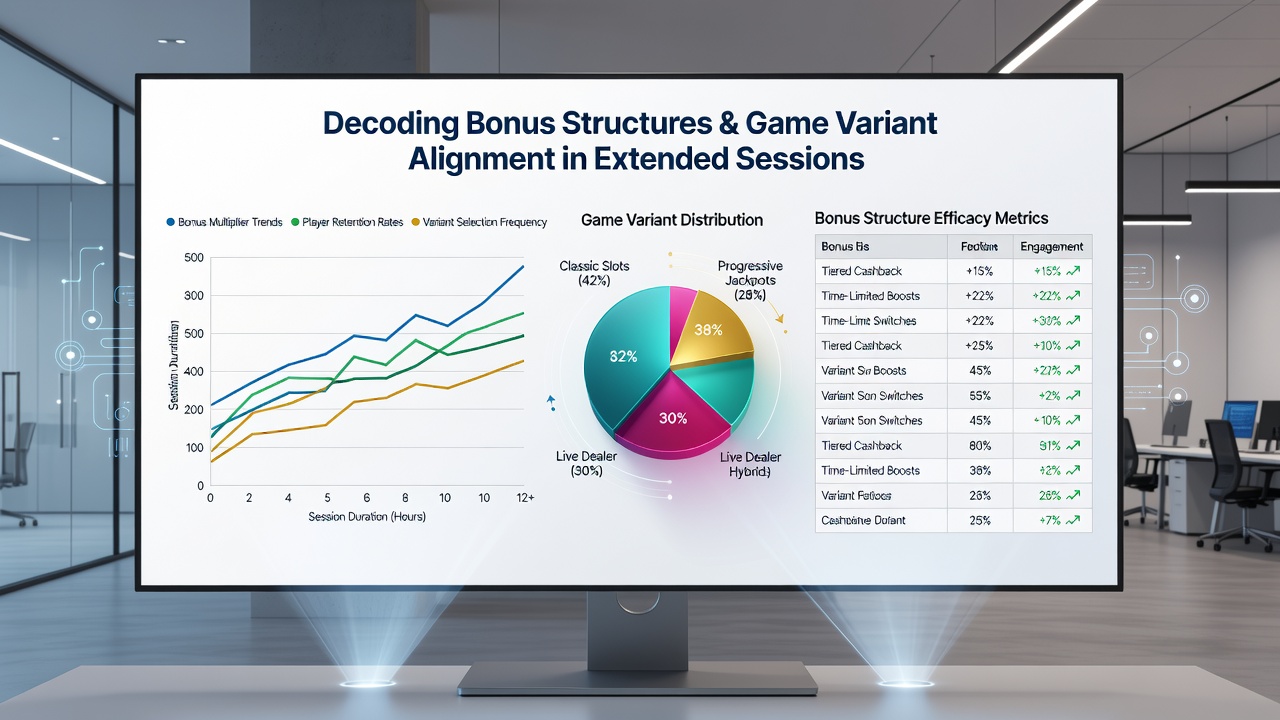
Extended sessions across these networks reveal measurable shifts in variant selection once players surpass the three-hour mark, with data indicating that bonus structures incorporating time-based multipliers encourage movement into faster-fold formats or short-deck variants that maintain hand volume even as concentration wanes. Regulatory reports from the Pennsylvania Gaming Control Board track these movements through anonymized session logs, showing that bonuses tied to consecutive days of play correlate with increased selection of mixed-game tables during weekend blocks when interstate traffic peaks.
One analysis of July 2026 activity found that players clearing deposit bonuses on shared liquidity platforms completed requirements 18 percent faster in Hold'em cash games than in stud variants, because the latter introduce more frequent showdowns and betting rounds that extend each orbit. Operators respond by layering additional incentives onto specific variants during low-traffic windows, creating temporary alignments that steer volume toward underutilized tables without altering base rake rates.
Data Patterns from Multi-State Reporting
Figures released through state gaming divisions demonstrate that bonus utilization rates climb when networks promote variants with built-in speed controls, such as zoom poker or heads-up formats, because these options compress the time needed to satisfy playthrough conditions during marathon sessions. Researchers at the University of Nevada, Las Vegas documented similar trends in earlier interstate expansions, noting that players adjust their game selection dynamically once bonus progress bars near completion thresholds.
Payment flow records integrated with loyalty tracking further illustrate that reload bonuses activated after 1,000 hands correlate with sustained preference for Hold'em over draw variants, since the latter reduce overall hand throughput and delay subsequent bonus triggers. Networks have refined these mechanics through A/B testing across state borders, adjusting reward tiers so that extended play in lower-variance games receives equivalent credit to shorter, higher-stakes sessions in more complex variants.
Regulatory Oversight and Reporting Standards
State-level oversight requires operators to publish aggregated data on bonus redemptions segmented by game type, which allows observers to trace how structures influence variant popularity during prolonged online sessions. These disclosures, filed monthly with bodies such as the Michigan Gaming Control Board, reveal consistent patterns where bonus caps on rakeback percentages encourage players to rotate through multiple variants within a single extended sitting rather than remaining fixed at one table type.
Cross-border liquidity sharing adds another layer, because bonus progress carries across state lines yet remains subject to each jurisdiction's responsible gaming limits, prompting operators to implement variant-specific safeguards that pause bonus accrual after certain session durations. This framework maintains compliance while preserving the incentive alignments that shape player behavior on the shared network.
Conclusion
Bonus structures on regulated interstate poker networks function as dynamic filters that steer game variant choices throughout extended sessions, with hand-volume requirements, rake multipliers, and time-based rewards creating measurable preferences visible in July 2026 operational data. State regulatory filings and network analytics continue to map these alignments, providing transparent records of how operators calibrate incentives against the distinct pacing and variance profiles of Hold'em, Omaha, and mixed formats across connected player pools.