Charting How Time-of-Day Influences Game Type Selections on Regulated Betting Applications
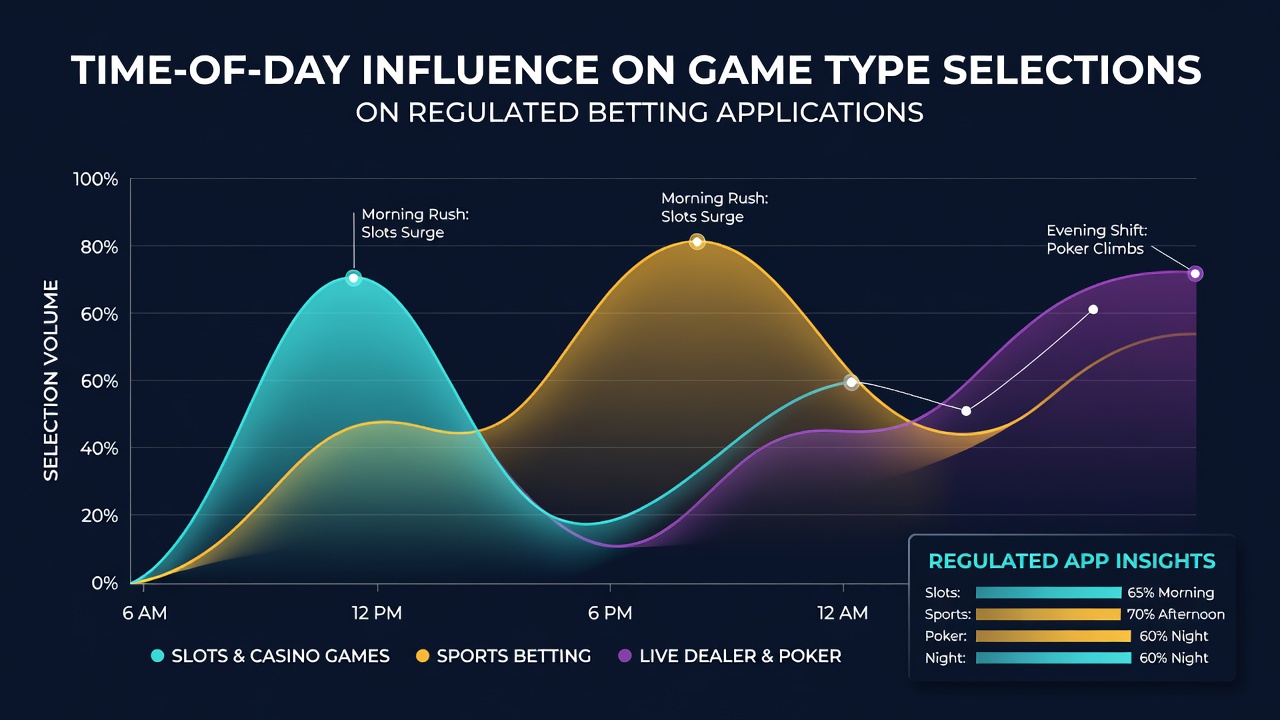
Platform operators in regulated markets have tracked user activity across multiple jurisdictions, and patterns emerge when analysts break down selections by hour of the day. Morning sessions often show heavier engagement with slot-style games and quick-play formats, while afternoon periods draw more activity toward sports wagering interfaces and certain table game variants. These shifts appear consistently in aggregated logs from states with mature online frameworks.
Morning Patterns and Early-Day Preferences
Data collected through state-mandated reporting systems reveals that between 6 a.m. and 11 a.m., users gravitate toward digital slot titles and instant-win mechanics at higher rates than other game categories. Researchers who examined transaction timestamps from New Jersey and Pennsylvania markets noted that shorter session lengths dominate this window, with average durations falling below twenty minutes per login. This timing aligns with commuter routines and brief breaks during work hours, where players select games that require minimal setup and deliver immediate feedback loops.
Operators have adjusted promotional timing accordingly, releasing bonus credits and free-spin offers during these early blocks to match observed demand. Figures released by the New Jersey Division of Gaming Enforcement for the first half of 2026 show slot revenue spikes in the morning segment outpacing other categories by measurable margins.
Afternoon Transitions and Midday Shifts
As the clock moves past noon, selection data indicates a pivot toward sports betting dashboards and live-event markets. Users accessing platforms between 12 p.m. and 5 p.m. demonstrate elevated interest in in-play wagering options, particularly when major league schedules overlap with these hours. One analysis of multi-state poker and casino networks found that deposit volumes tied to sports products increase steadily through the afternoon, while pure casino game engagement plateaus or declines slightly.
Those who monitor loyalty program metrics have observed that players holding mid-tier rewards accounts tend to explore new game releases during this period, perhaps because promotional calendars often highlight fresh content around lunch breaks and early evening wind-downs. Cross-referenced payment flow records suggest these midday deposits frequently pair with shorter, repeated sessions rather than extended play blocks.
Evening Peaks and Nighttime Preferences
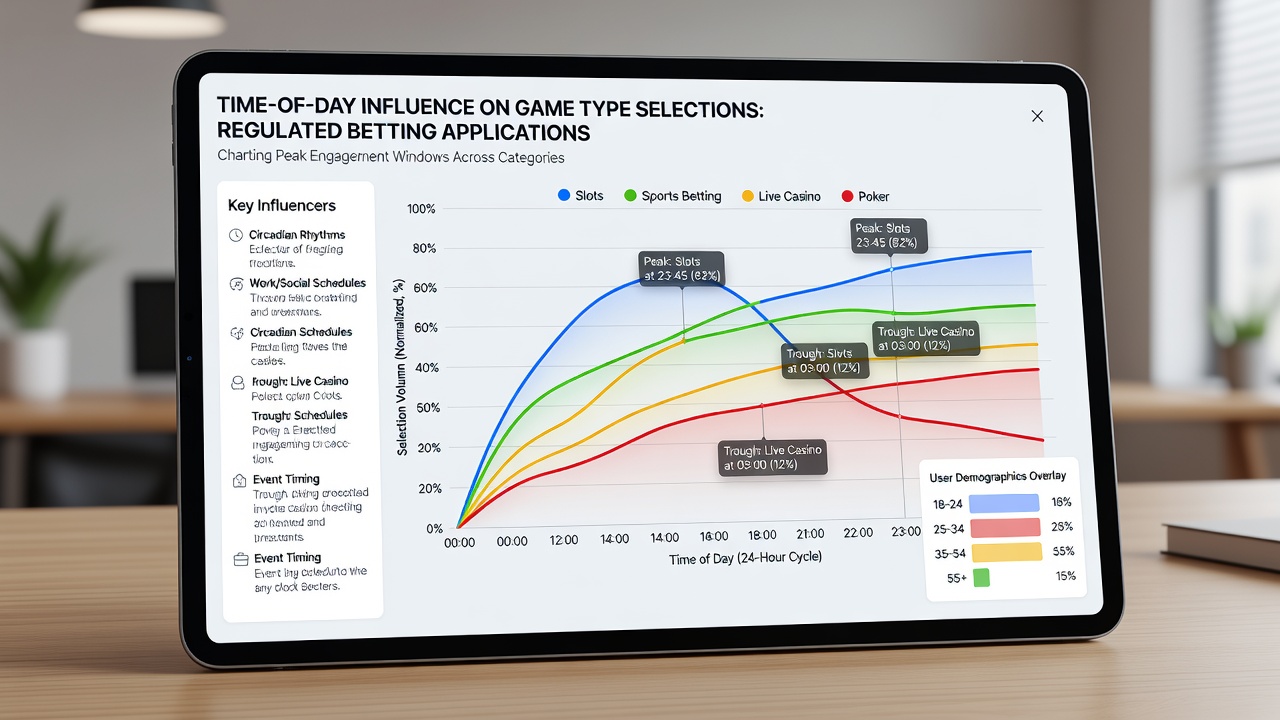
Between 7 p.m. and midnight, live dealer tables and multiplayer formats register stronger uptake according to session logs from regulated operators. Evening hours coincide with longer average play durations, often exceeding forty minutes per active user. Analysts attribute part of this extension to overlapping social features and real-time chat options that become more active once users finish daily obligations.
July 2026 data snapshots from several East Coast platforms highlighted a noticeable uptick in blackjack and roulette variants during these later blocks, especially on weekends. Regulatory filings indicate that live dealer revenue streams capture a larger share of total handle after 8 p.m. compared with earlier segments, a trend that holds across both desktop and mobile access points.
Regional Variations and Platform Differences
Observers tracking activity in Michigan and West Virginia markets have noted subtle differences compared with New Jersey baselines. Afternoon sports interest appears more pronounced in states where professional teams enjoy stronger local followings, whereas slot dominance in morning hours remains relatively uniform. Platform design choices also play a role, with apps that surface time-sensitive promotions seeing faster shifts between categories when users log in at predictable intervals.
Academic researchers examining anonymized datasets from multiple operators have begun mapping these hourly distributions against broader behavioral indicators, including deposit method choices and retention rates. Early findings suggest that users who engage predominantly in morning slots exhibit different long-term activity curves than those whose primary sessions occur in evening table game environments.
Conclusion
Time-of-day data continues to inform how operators structure game libraries, promotional calendars, and interface layouts across regulated betting applications. As more jurisdictions release detailed activity reports and academic teams refine their analytical models, clearer pictures of these temporal preferences should emerge. The patterns documented so far demonstrate consistent hourly movements across game types, driven by both user routines and platform features rather than random variation.